AMD's Gaming Sales Fall 40% While AI Chips Power a Record $13.4bn Quarter
AMD made a record $13.4bn in Q3 2026 as AI data centre sales nearly doubled, but its console chip and Radeon business fell 40% to $773m.
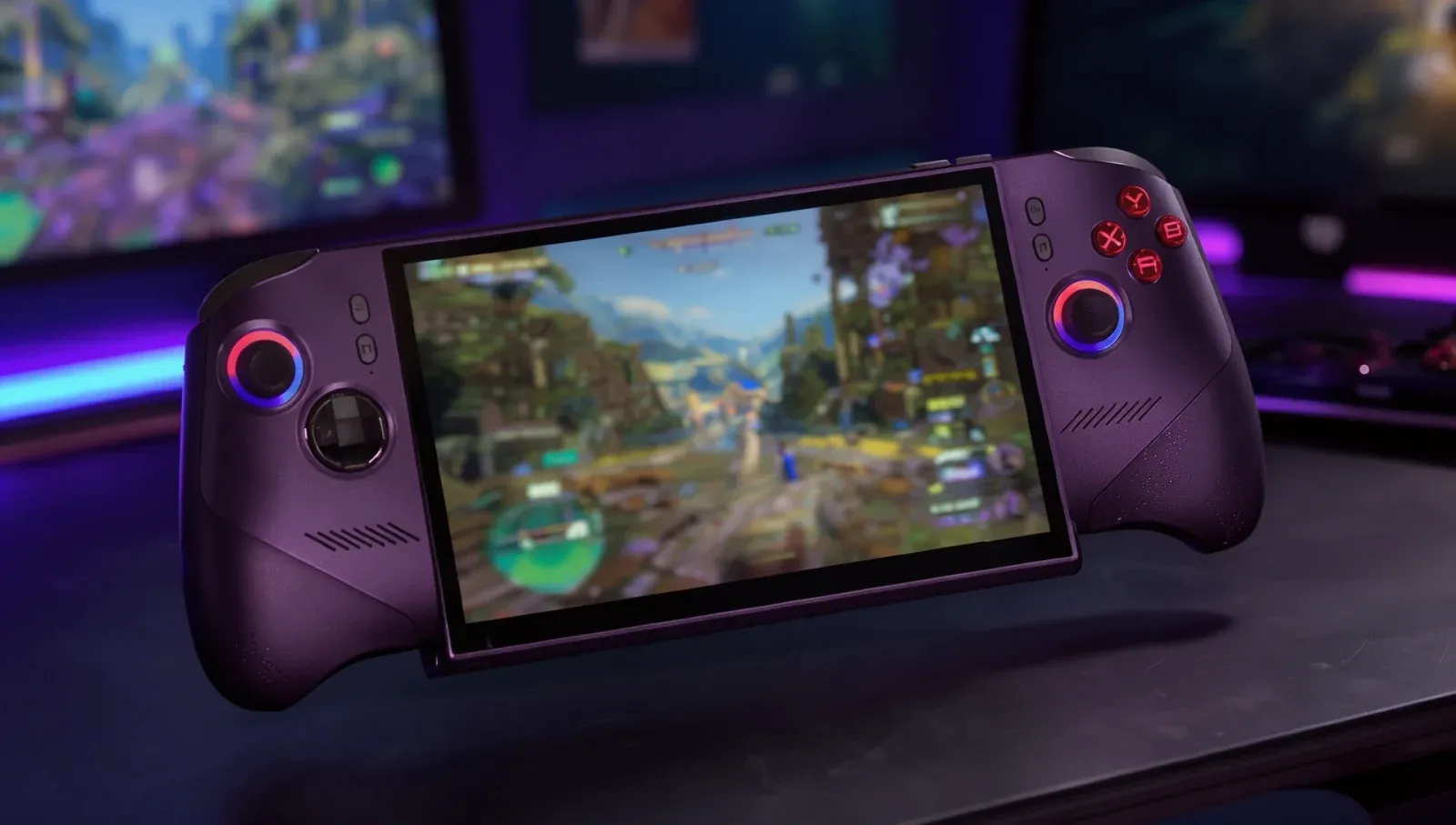
AMD had the biggest quarter in its history between July and September: $13.4 billion in revenue, up 45% from $9.25 billion a year earlier, beating analysts' forecasts. Almost all of that growth came from AI data centres. The part of AMD that gamers know best went the other way: gaming revenue, which covers the chips inside the PS5 and Xbox Series consoles and Radeon graphics cards, fell 40% to $773 million.
AMD's third quarter at a glance
- Revenue: $13.4 billion, up 45% year on year
- Data Center: a record $8.5 billion, up 97%. It is now 64% of AMD's revenue, up from 47% a year ago (CNBC)
- Client (Ryzen PC processors): $2.9 billion, up 7%
- Gaming (console chips and Radeon): $773 million, down 40%
- Embedded: $1.1 billion, up 29%
- Profit: $2.4 billion net income. Adjusted earnings per share were $2.09, against the $1.95 analysts expected (LSEG, via CNBC)
- Fourth-quarter forecast: about $17 billion, plus or minus 3%
Why gaming fell
AMD puts the drop down to "lower semi-custom and graphics revenue". Semi-custom is the chips AMD designs for Sony and Microsoft's consoles, and graphics is mainly Radeon. AMD didn't break down how much each one fell.
Two things weigh on both. The PS5 and Xbox Series X|S are in their sixth year, the stage where console sales usually slow down. And the memory shortage that is pushing up RAM and SSD prices is making graphics cards and consoles more expensive to build and to buy. SK hynix, one of the biggest memory makers, expects that shortage to last until 2030.
PC processors held up better. AMD says Client revenue grew 7% on sales of Ryzen laptop chips, and its Ryzen AI Max PRO 400 processors are now in systems from HP, Lenovo, Framework and GMKtec.
Where AMD's money comes from now
Data centres made almost two thirds of AMD's revenue this quarter. AMD says Anthropic, Meta, Microsoft, OpenAI and Oracle are running workloads on its first Helios rack systems, which combine its new Instinct MI450 GPUs with 6th Gen EPYC processors. Last week AMD said Helios racks are already running at Meta. AMD also announced deals to buy two AI companies, World Labs and Taalas.
On the earnings call, chief executive Lisa Su said AMD had "worked across our supply chain to secure the wafers, substrates, advanced packaging, memory" and other parts it needs to grow much faster next year, as reported by CNBC. Memory in particular is something consoles and graphics cards depend on too, and that growth is coming from AI.
What comes next
AMD expects about $17 billion in revenue for October to December, which would be around 66% more than a year earlier. Analysts had expected $16.2 billion on average, according to LSEG. AMD says the growth comes from data centres and doesn't give a separate forecast for gaming. AMD shares rose 8% in after-hours trading on 3 November.
For gamers, the takeaway is that AMD's gaming business is now a small part of a company increasingly built around AI. Holiday console sales and any new Radeon cards will show whether that 40% drop was the bottom.