Steam Machine HDMI 2.1: Is 4K 144Hz Coming? 4K 120Hz, VRR and What Works Today
What the Steam Machine's HDMI port does today, which SteamOS update added VRR, why 4K 144Hz isn't here yet, and what you need for 4K 120Hz.
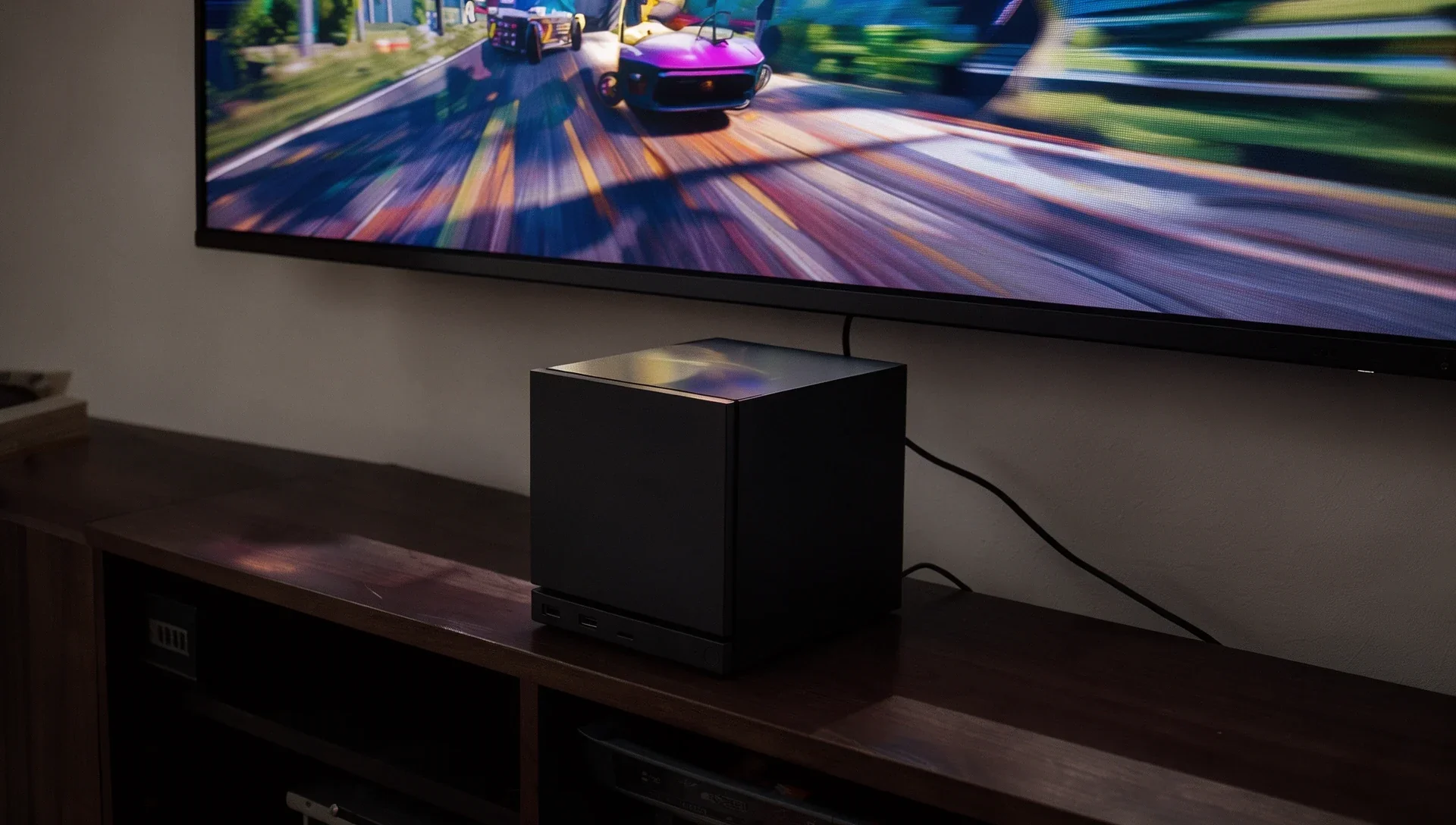
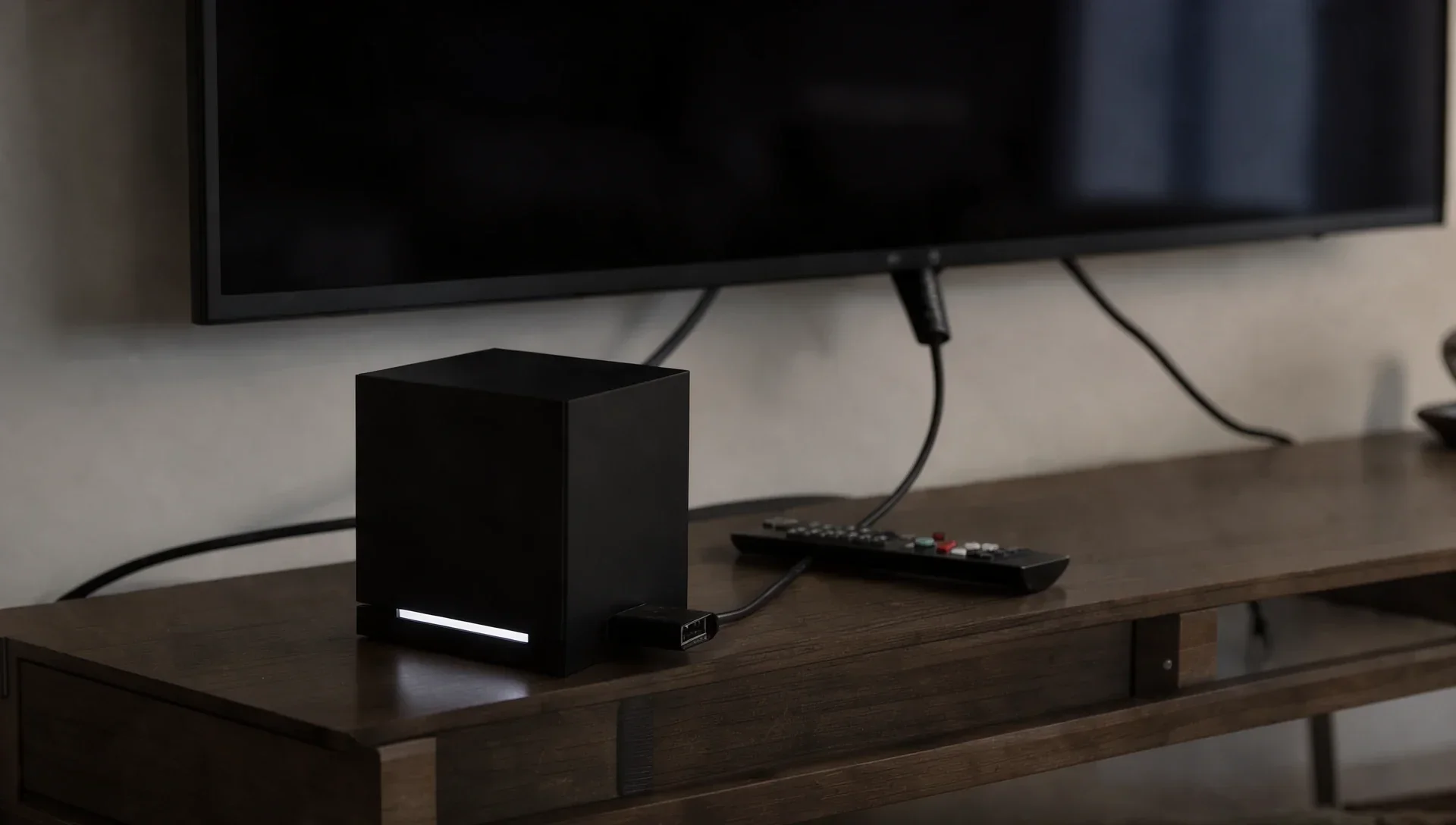
The Steam Machine is built for the TV, but its HDMI port is a moving target. Valve sells it as HDMI 2.0, added HDMI VRR in an update and calls HDMI 2.1 a work in progress. Here's what works today, which SteamOS update changed what, and what Valve hasn't said.
Does the Steam Machine have HDMI 2.1?
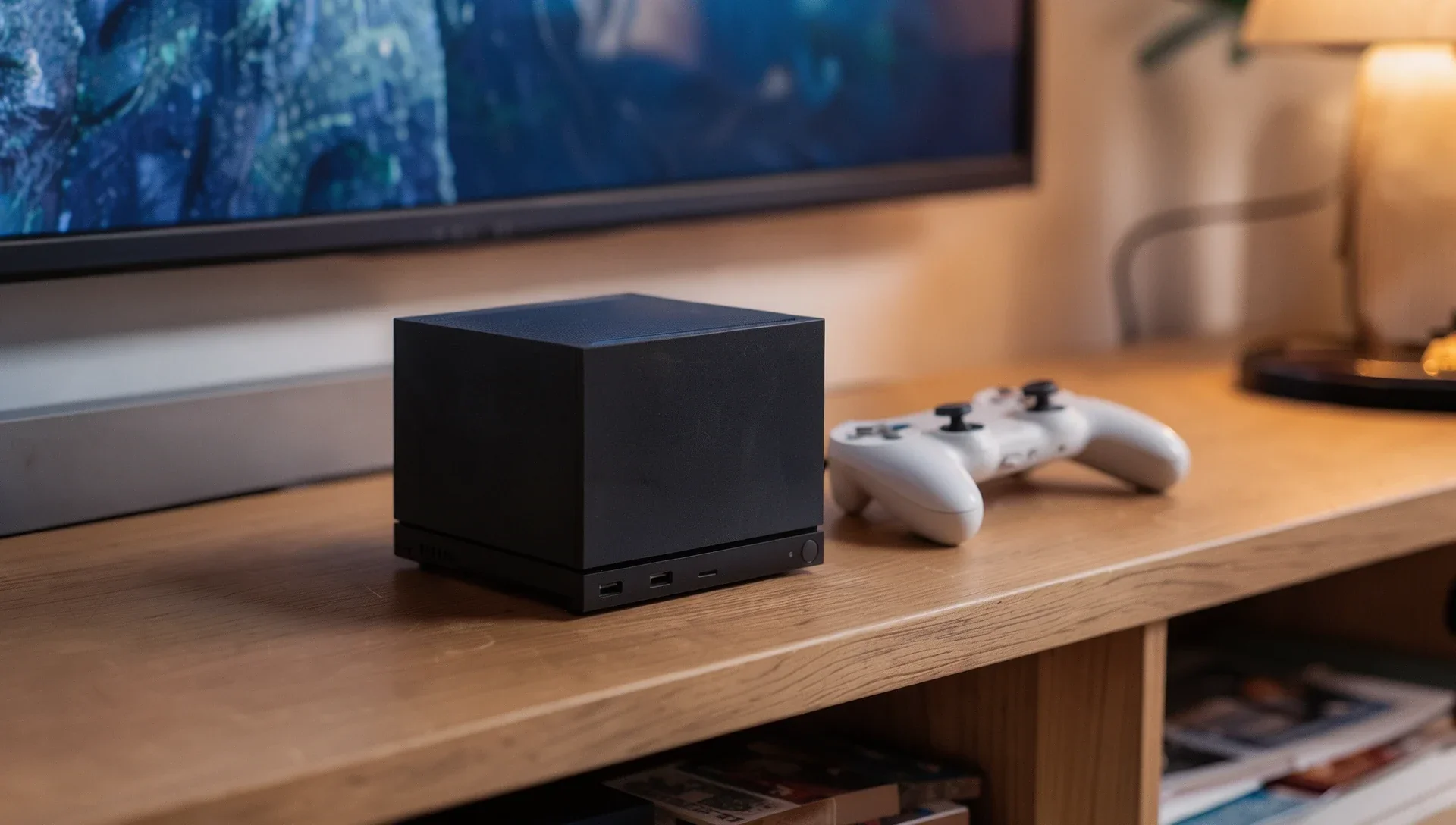
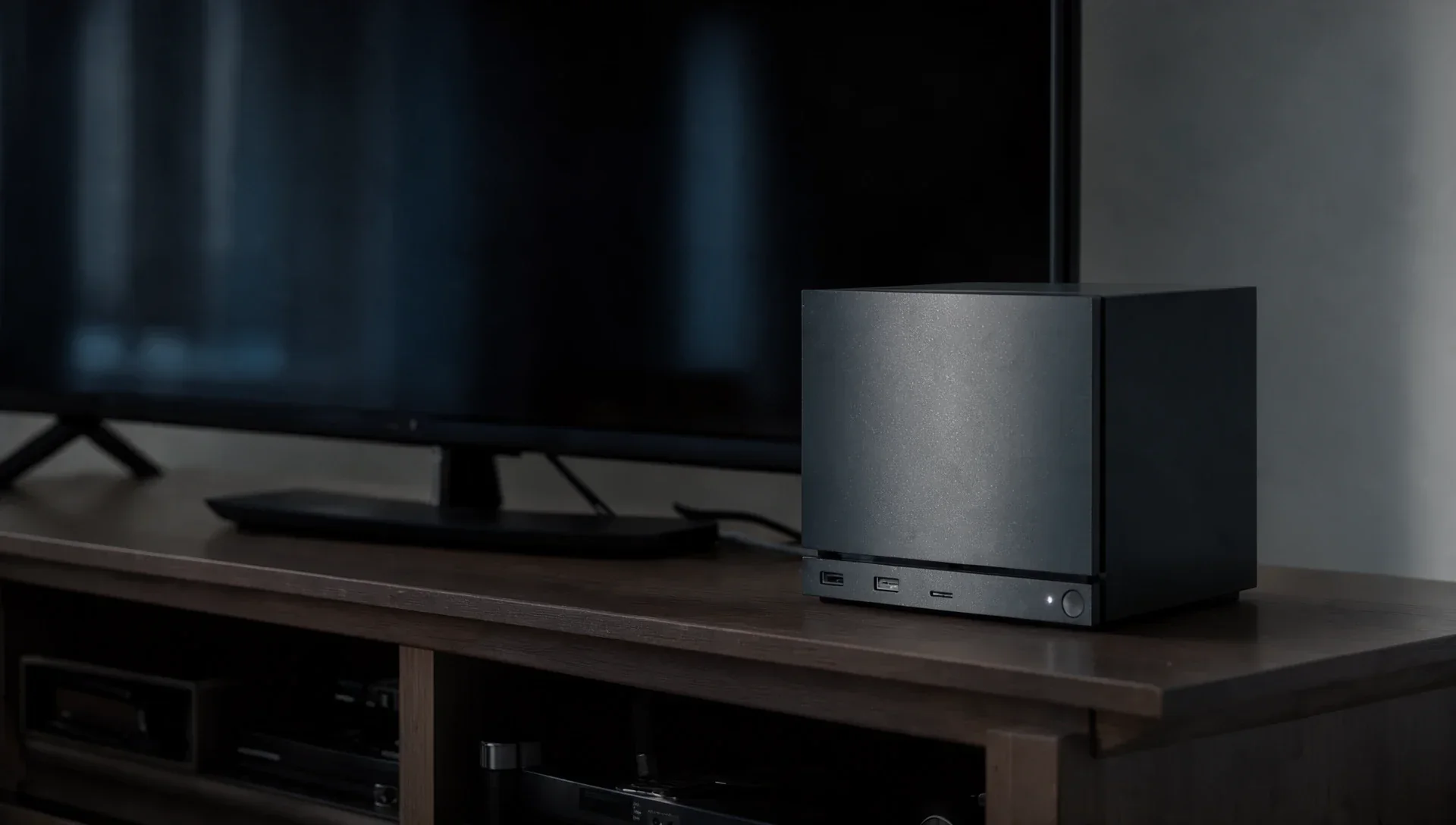
Not officially. Valve's tech specs still list HDMI 2.0, up to 4K at 120Hz, with HDR, FreeSync and CEC. The other video output, DisplayPort 1.4, goes up to 4K at 240Hz or 8K at 60Hz, with HDR, FreeSync and daisy-chaining.
The hardware can do more. In December 2025 Valve told Ars Technica, as reported by heise, that HDMI 2.1 was "still a work-in-progress on the software side", and that it had checked the port's HDMI 2.1 hardware under Windows.
Why is the Steam Machine limited to HDMI 2.0?
Licensing. heise reports that the HDMI Forum, which controls the HDMI specification, doesn't allow an open-source driver that implements HDMI 2.1, and SteamOS runs on open-source Linux graphics drivers. In 2024 an AMD Linux engineer said an open-source HDMI 2.1 implementation "is not possible without running afoul of the HDMI Forum requirements."
Which SteamOS update added HDMI VRR?
SteamOS 3.8. The 3.8.6 beta on 29 May added "preliminary support for HDMI VRR for devices with native HDMI output", and it reached everyone with stable SteamOS 3.8 in June. In an interview with Digital Foundry, reported in late June, Valve's Pierre-Loup Griffais said HDMI VRR works on FreeSync displays and on TVs with HDMI Forum VRR.
Did SteamOS 3.9 bring 4K 144Hz over HDMI?
No. Valve's notes for SteamOS 3.9 (23 October) move to Linux 7.2 and fix the "Disable Frame Limiter" toggle with VRR on, but say nothing about HDMI 2.1 or higher refresh rates.
An owner on Valve's SteamOS issue tracker found that the 3.9 kernel contains HDMI 2.1's faster link mode (FRL), switched off. Turning it on by hand gave his LG C4 4K at 144Hz with 10-bit HDR, but VRR stopped working and the mode vanished when the TV woke from standby. It's an unofficial boot tweak, and Valve hasn't replied.
Can the Steam Machine do 4K at 120Hz?
Yes, with a catch. heise and Notebookcheck both note that over HDMI 2.0 it reaches 4K 120Hz with chroma subsampling, a reduced colour mode that heise says shows most on text (the same owner measured 4:2:0 at 8-bit).
What you need:
- A TV that takes 4K 120Hz on that HDMI input. Many only do it on some ports or with an enhanced HDMI mode on, so check the manual.
- A suitable cable. Valve doesn't specify one. HDMI Licensing rates Ultra High Speed HDMI cables for the full 48Gbps, so one also covers the future update.
When will the Steam Machine get 4K 144Hz and 240Hz over HDMI?
Valve hasn't given a date. In the same Digital Foundry interview, Griffais said a later SteamOS update enabling FRL would bring 4K at 144Hz without compression and up to 4K at 240Hz with Display Stream Compression.
VRR and HDR: TV or monitor?
- Monitor: use DisplayPort. Valve lists 4K at 240Hz, HDR and FreeSync there today.
- TV: HDMI, with HDR, FreeSync and, since SteamOS 3.8, HDMI Forum VRR. One owner on Valve's tracker reports a Hisense TV whose VRR isn't detected, so it can vary by set.
- Adapters: heise notes an active DisplayPort-to-HDMI 2.1 adapter gets higher frame rates to a TV uncompressed, but without official VRR support.
The port also does CEC: since Steam's 13 October update, the system button on the Steam Controller or any supported pad asks a CEC-capable TV to switch to the Steam Machine.
If Desktop Mode leaves your TV blank, see what Valve fixed and what to try.