Football Manager 27 Tactical Effectiveness Explained: What It Is and How to Improve It
FM27's Tactical Effectiveness explained: the four gauges, how Tactical Complexity raises the bar, and how training, simple tactics and signings improve it.
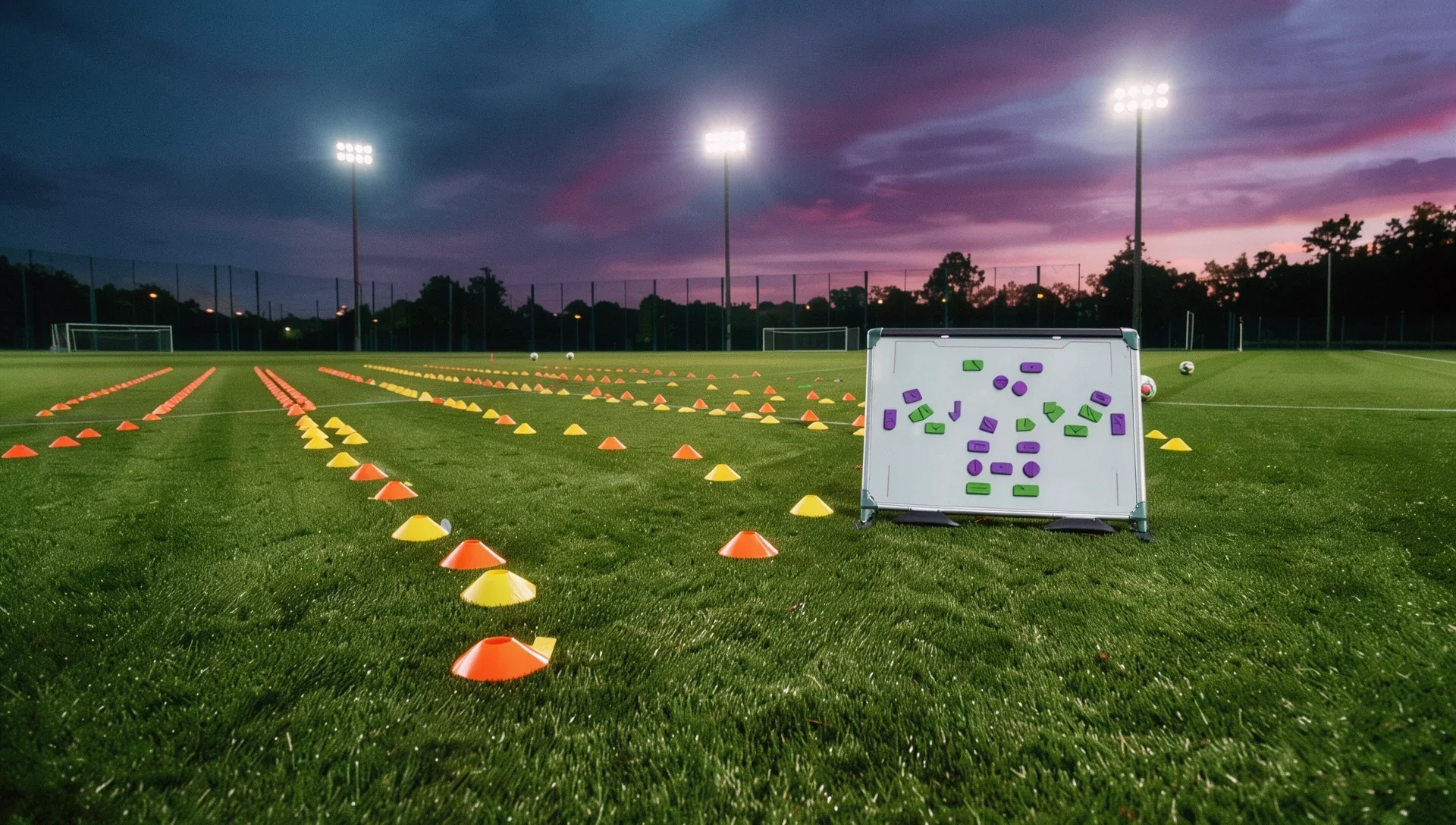
The biggest change to tactics in Football Manager 27 isn't a new formation or role. It's Tactical Effectiveness, a new system that judges how well your players understand your tactic and how well they can actually carry it out. Sports Interactive (SI) says it builds on the old Tactical Familiarity system, but it reaches much further: into training, into your scout reports and into the kind of tactic you can realistically play at a small club. With FM27 out on 10 November (here's when and where you can play it), this is how the system works, based on SI's own deep dive and what its developers have said.
What is Tactical Effectiveness in FM27?
In the game's own words (from SI's screenshots of a development build), Tactical Effectiveness is "a measure of how well each individual, and as a sum the team, understand and are capable of carrying out the Manager's tactics on matchday."
Sports Interactive developer Antony Farley put it more simply when he spoke to FourFourTwo:
To be really simple about it, it's a measure of how well your players understand what you're asking them to do and how well they're able to execute it.
— Antony Farley
SI calls it an "overarching feature" with connections to Training, Tactics and Scouting. It is not a number you max out once: SI says it "constantly fluctuates" with your decisions, player performances and wider football events. Your tactical preferences can grow more effective as your career goes on, but SI adds that rival tactical styles can become dangerous against your own.
The four parts of Tactical Effectiveness
SI says four core areas make up your team's Tactical Effectiveness, each shown as its own gauge. The definitions and key factors below are from SI's development-build screenshots, so wording can still change before launch.
- Tactical Understanding: "A player's ability to comprehend what is being asked of them tactically (at a team level)." Its key factors are eight tactical areas (In Possession Shape, Passing Style, Build Up, Chance Creation, Out Of Possession Shape, Line of Engagement, Pressing Intensity and Pressing Trap), plus Player Tactical Ability and Tactical Complexity.
- Player Ability: "A combination of a player's capability and their ability relative to the tactical role being asked of them." Key factors: Player Capability and Player Role Suitability.
- Player Buy-In: "A player's willingness, not ability, to carry out the manager's tactics." Key factors: Managerial Support, Teammates and Staff Relationships, and Manager Tendencies.
- Next Match Information (shown as Next Match Info): how prepared your players are for the next game. Key factors: Quality of Next Opposition Report and Opposition Player Knowledge.
The Tactical Effectiveness screen also has an Overall Effectiveness gauge and a Player View switch, so you can look at individuals as well as the whole team.
How Tactical Complexity raises the bar
Tactical Complexity is the other new measure, and SI says the two are "intrinsically tied". Complexity is driven by the positions and instructions you set: SI describes it as a measure of "the volume of team, player and opposition instructions". The more you ask, the harder your tactic is to learn.
How much your squad can take depends on who they are. SI says players "react differently to the level of detail" in your instructions depending on their talent and profile, and that a detailed plan "may not be effective when managing teams in lower divisions". Its own example: fluid, free-flowing football and relentless counter-pressing may prove too complicated at lower league level.
That sets up the central trade-off of FM27 tactics. According to SI:
- A simple tactic can be effective almost straight away, but it has limited potential and "will sooner be found out".
- A complex tactic may struggle to have an impact at first while players adapt, but it has a higher long-term ceiling for effectiveness.
Farley told FourFourTwo that your tactic now carries two important gauges: intensity ("how physically demanding it is") and complexity ("more how mentally demanding it is"), with a separate gauge showing how effective you are at that tactic overall. "This is about risk-reward and new choices," he said. A simple, straightforward plan should get players performing it quickly, he explained, but "it may be that that tactic has a bit of a ceiling to it".
How to improve Tactical Effectiveness
SI's deep dive points to three main levers, plus the parts of the system you can influence away from the training pitch.
1. Train for the tactic you play
Training was rebuilt around this system. SI says the senior squad's training now focuses on match preparation, team cohesion and tactical understanding, and the old Units system (built mainly around player attributes) has been replaced by sessions aimed at executing your plan in the next match. "Want your team to be an intense pressing unit? You can train for that," SI writes, and the same goes for the build-up phase, a high press or a low block.
SI's screenshots show session types such as Pressing Trap, Line of Engagement, Pressing Intensity, Passing Style, Build Up, Chance Creation, Defensive Block, Press Avoidance, Ball Progression and Final Third, with a weekly schedule focus for in-possession, out-of-possession or balanced work. Farley's example to FourFourTwo: the breakdown might show that your pressing intensity is lagging, something the players "aren't necessarily clicking with", so you tailor your sessions to work on exactly that.
Individual training is still there. SI says you'll need to balance long-term individual development, especially for young talents, against the short-term need to win matches. Copying and pasting training plans is back too, and the screen now shows the physical load of your plan for the current week and the weeks ahead.
2. Keep it simpler than you think, at first
If the gauges stay low, the complexity of your tactic may be the problem rather than your players. SI frames the choice as a "simple, plug-and-play approach" that gets quick results against a deeper system "that will take time to learn" but could pay off in the long run. SI's example of where complex football breaks down is the lower leagues, and Farley's example of the simple route is walking into a new club and asking for something straightforward.
3. Sign players who fit the system
Tactical Effectiveness now appears in Scout Reports, so you can see whether a transfer target suits your squad and setup. SI says you'll need to judge whether a player has the attributes and playstyle to make an instant impact in your shape, or whether they'll need time to learn new concepts. In SI's screenshot of the recruitment player database, a player's Tactical Effectiveness tooltip shows all four gauges and explains that "Projected Value reflects the overall potential tactical fit based on variable contributing factors."
4. Look after buy-in and match preparation
Two of the four gauges aren't about drills at all. Player Buy-In is listed as willingness, not ability, and its key factors are managerial support, relationships with teammates and staff, and your tendencies as a manager. Next Match Information depends on the quality of your report on the next opponent and your players' knowledge of the opposition players. So a squad that believes in you and has studied its next opponent should rate higher on those two gauges, even with the same tactic.
Where Tactical Effectiveness appears in the game
SI says the gauges are visible in the Tactics, Training and Recruitment screens, and Tactical Effectiveness is also a data point in Scout Reports. In SI's development-build screenshots:
- Training overview: a Tactical Effectiveness panel shows your primary trained tactic, its overall level and the four areas, next to the next opposition report.
- Training, Tactical Effectiveness tab: the full breakdown of all four areas with their key factors, an Overall Effectiveness gauge and the Player View switch.
- Recruitment: the four-gauge tooltip on players in the player database, with a projected tactical fit.
Training itself has moved into the main navigation bar in FM27 (Portal, Squad, Tactics, Recruitment, Training and Club), so the breakdown is never more than a couple of clicks away.
How it differs from tactical familiarity in older FMs
SI describes Tactical Effectiveness as building on the previous Tactical Familiarity system rather than replacing the idea outright. In older games, familiarity measured how well your team knew your tactic: Passion4FM's FM23 guide lists eight areas (mentality, passing style, creative freedom, trigger press, marking, tempo, width, and position, role and duty), each rated from awkward to fluid.
FM27 keeps that "do they know the plan?" idea inside Tactical Understanding, with its own eight tactical areas, and adds three things alongside it:
- Player Ability: whether your players are good enough, and suited to the roles you've given them.
- Player Buy-In: whether they're willing to do it, shaped by your relationship with the squad.
- Next Match Information: how well prepared they are for the specific opponent.
On top of that, Tactical Complexity turns tactic design into a trade-off between quick results and a higher ceiling, and the same gauges follow you into recruitment and scouting.
What it means for your first FM27 save
Build a tactic your squad can actually learn, then watch the breakdown: it tells you whether the problem is understanding, ability, buy-in or preparation, and the training screen lets you work on the weak area directly. Add complexity once the gauges climb, and scout players with the system in mind. For the rest of your first season, from staff to squad planning, see our tips for new managers in FM27.
SI notes that everything shown so far comes from a development build and may change before release, so expect some labels and details to differ in the final game on 10 November.